
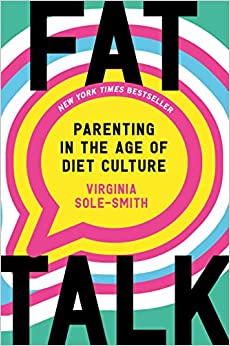
Summer vacation is my time to dive into a giant pile of books. You know, the ones I’ve been meaning to read for months and never seem to find the time during the school year. I love reading from a variety of genres, but I especially love when the books focus on the things I am passionate about. Advocacy for fat bodies and breaking down anti-fat bias is an item at the top of my list. The latest book I finished, Fat Talk: Parenting in the Age of Diet Culture is a must read for anyone who shares that passion.
Fat Talk is written by Virginia Sole-Smith, a fat-positive advocate and host of the Burnt Toast Podcast... one of my favorites to tune in to on my commute. The book is a thorough and thoughtful manual on how to speak to children and teenagers about anti-fat bias and how to raise body positive young adults. Though I am not a parent myself, as a teacher I find it extremely important to help students understand their bodies and allow them to take up space in my classroom. Fat Talk is a well-researched book that provides amazing resources and information, as well as anecdotes from people that have reframed their thinking and changed the way their families think about fat. I found so many good things that I will be using in my interactions with students this year.
The book begins with information breaking down the myths centered around the “obesity epidemic” and discussing the harm that diet culture has done to our own brains. Then it moves into practical information on how we can reframe the conversations we have with kids around food and body image. The book points out the importance of talking with children frankly, giving them body autonomy, and normalizing differences in bodies and eating habits. There are many suggestions on how to redirect conversations about bodies… both our own, and those of others.
The most important thing I learned from the first few chapters is that what we SAY matters more than what we DO. Children learn how to love their bodies by watching us. If we tell them that they are wonderful, and then continually talk about how we feel fat, need to go on a diet, and think that we’ve been bad, kids will begin to think that way themselves. Sole-Smith suggests that we “insulate them from our own struggles but making a concerted effort to have a different conversation.” She urges us to “reframe these moments of panic and disgust as opportunities to model and teach resilience.” She is absolutely right! Everything I think about my body, and to a large extent still do, I learned from home. I want better for the next generation!
Obviously, the chapters that resounded the most loudly for me were the ones centered around the classroom, sports, and social media. I work with 6th-12th grade students. Body image, weight, and food are frequent topics of conversation amongst my students, even in a music classroom. Teachers and coaches often spend more time with young people than their own parents do. We shoulder a great responsibility in the emotional development of the students we are in charge of. These chapter discuss the unintentional harm we can cause in the ways we discuss bodies, diet, and performance.
I remember helping a student with Math homework last year that addressed questions about fitness performance and BMI. The student was frustrated and offended about how the questions made her feel. We had a really good discussion, but it left me wondering how I could approach her math teacher and find a way to teach similar concepts without doing harm. And don’t even get me started with about how my student athletes talk about bulking and dropping weight all the time. Overhydrating, skipping meals, wearing three sweatsuits at a time, chewing gum and spitting it into the trash… these practices make me angry. The students are hungry, unfocused, and engage in dangerous talk that make them feel bad about their own body. Imagine how their peers must feel!
After reading the chapters focused around education, I feel equipped to create safe spaces for my students to exist in all bodies. The book provides ways to stand up for students who are marginalized, reframe conversations about body image, and redirect harmful statements made by others. It also gave me some great tools for supporting my middle school students as they navigate their changing bodies. Again, Fat Talk is titled to relate to parenting, but it is vital for anyone who spends time with young people.
The book closes by summarizing ways to talk about fat and body image with eight key types of people… doctors, parents, and coaches included. There is a list of media resources such as books, movies, and podcasts that speak of anti-fat bias and put fat characters in a positive light. I am especially excited to check out some of the suggested fiction and donate it to the school library.
I was struck by two things in the book that I want to incorporate and use to redirect my own conversations. First, the book cites Marquisele Mercedes, a public health scholar, in saying, “If you want to challenge fatphobia, you have to start with the understanding that fat people are worthy of respect, safety, and dignity. A ‘but’ cannot follow this statement.” There aren’t conditions for when a person is allowed to just be! Bias exists when conditions exist. The second was that, “Your parents’ unhappy relationship with their bodies is not your problem to fix.” This has been a major point of frustration for me lately. I have to remind myself that the Boomer view of “good” and “bad” bodies is not my story and not my responsibility.
Creating room for people in larger bodies to take up space has to start with us. Changing the way we talk about weight has to start with how we talk about ourselves. It doesn’t mean that we stand on a box in the street and preach an agenda. We simply need to find ways to have honest discussions, speak with kindness, and remember that we are not any sort of body police. We can help change the narrative for our children, our nieces and nephews, and our students. ALL people in ALL bodies are worthy. Let’s get busy talking.

 Forty Fat and Fabulous